



Your Christmas Gift
Save Up to $950

1000+Shop

2-Year Warranty

15-Day Trial

Free Shipping
Electric Mountain Bike


Himiway D5 2.0 eBike
-
Full Suspension
Travel F:100mm R:130mm
-
Torque / Cadence
2 Riding Experiences
-
750W 90Nm
Geared Hub Motor
-
Smart Auto
5 Assist System


Himiway D5 2.0 ST eBike
-
Full Suspension
Travel F:100mm R:130mm
-
Torque / Cadence
2 Riding Experiences
-
750W 90Nm
Geared Hub Motor
-
Smart Auto
5 Assist System


D5(Zebra) / All-terrain Electric Fat Bike
-
Torque
Sensor
-
960 Wh
Samsung/LG Battery
-
80 Miles
Max Range
-
750W
Motor


D5 ST(Zebra ST) / All-terrain Electric Fat Bike
-
Torque
Sensor
-
80 Miles
Max Range
-
400 lb.
Max Playload
-
Hydraulic
Brakes

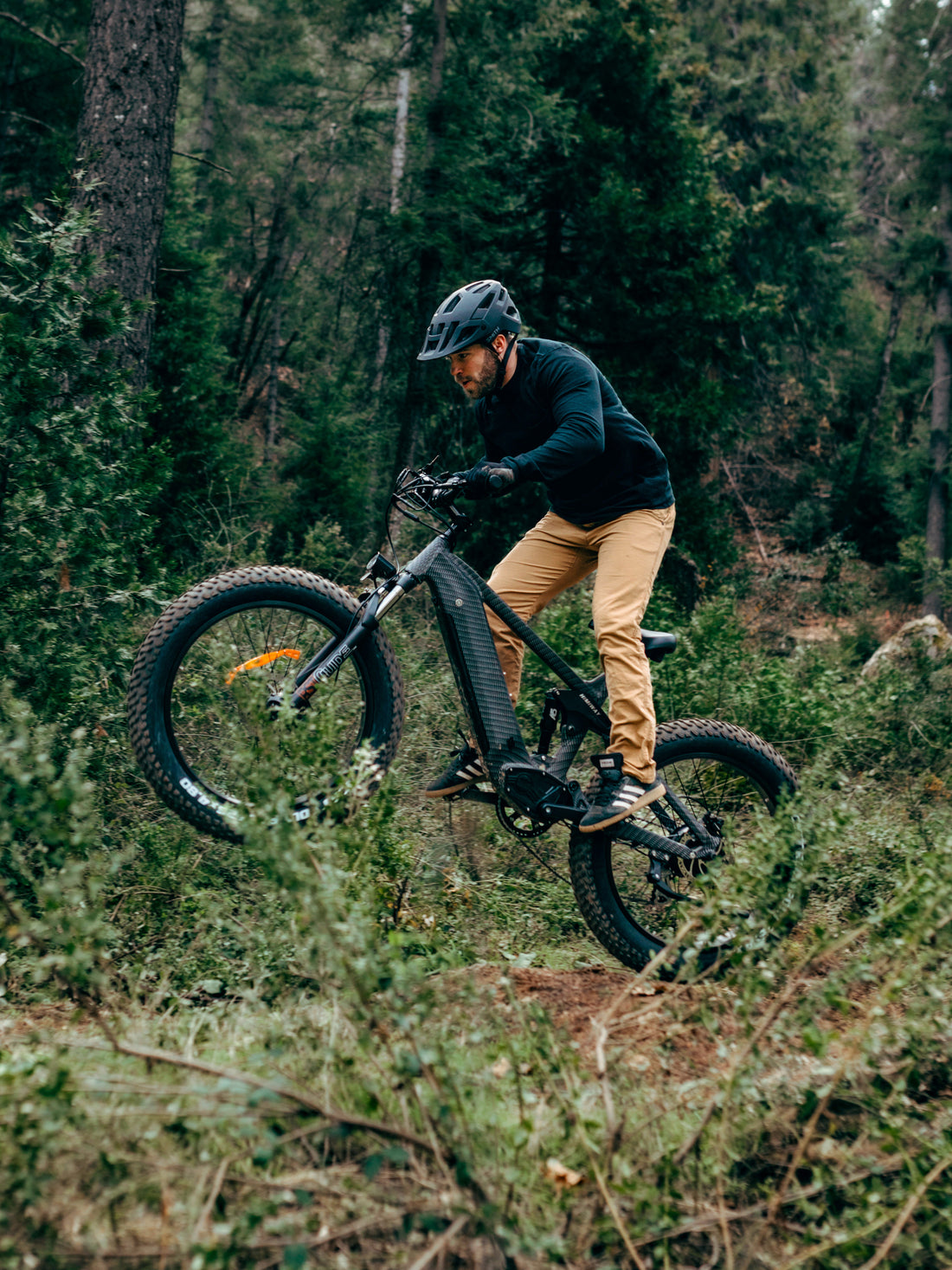
D7 / Full Suspension Electric Hunting Bike
-
80 Miles
Max Range
-
26x4.5
Super Fat Tire
-
Torque
Sensor
-
Hydraulic
Brakes


Himiway D7 Pro Mountain eBike
-
1000 W
Mid-drive Motor
-
28 Mph
Top Speed
-
960 Wh
Samsung/LG Battery
-
80 Miles
Max Range


D3(Cruiser) / Long Range Fat Tire Electric Bike
-
720 Wh
Samsung/LG Battery
-
50 Miles
Per Charge
-
750W
Motor
-
20+ Mph
Top Speed


D3 ST(Cruiser ST) / All Terrain Electric Bike
-
50 Miles
Per Charge
-
750W
Motor
-
720 Wh
Samsung/LG Battery
-
350 lbs
Payload Capacity

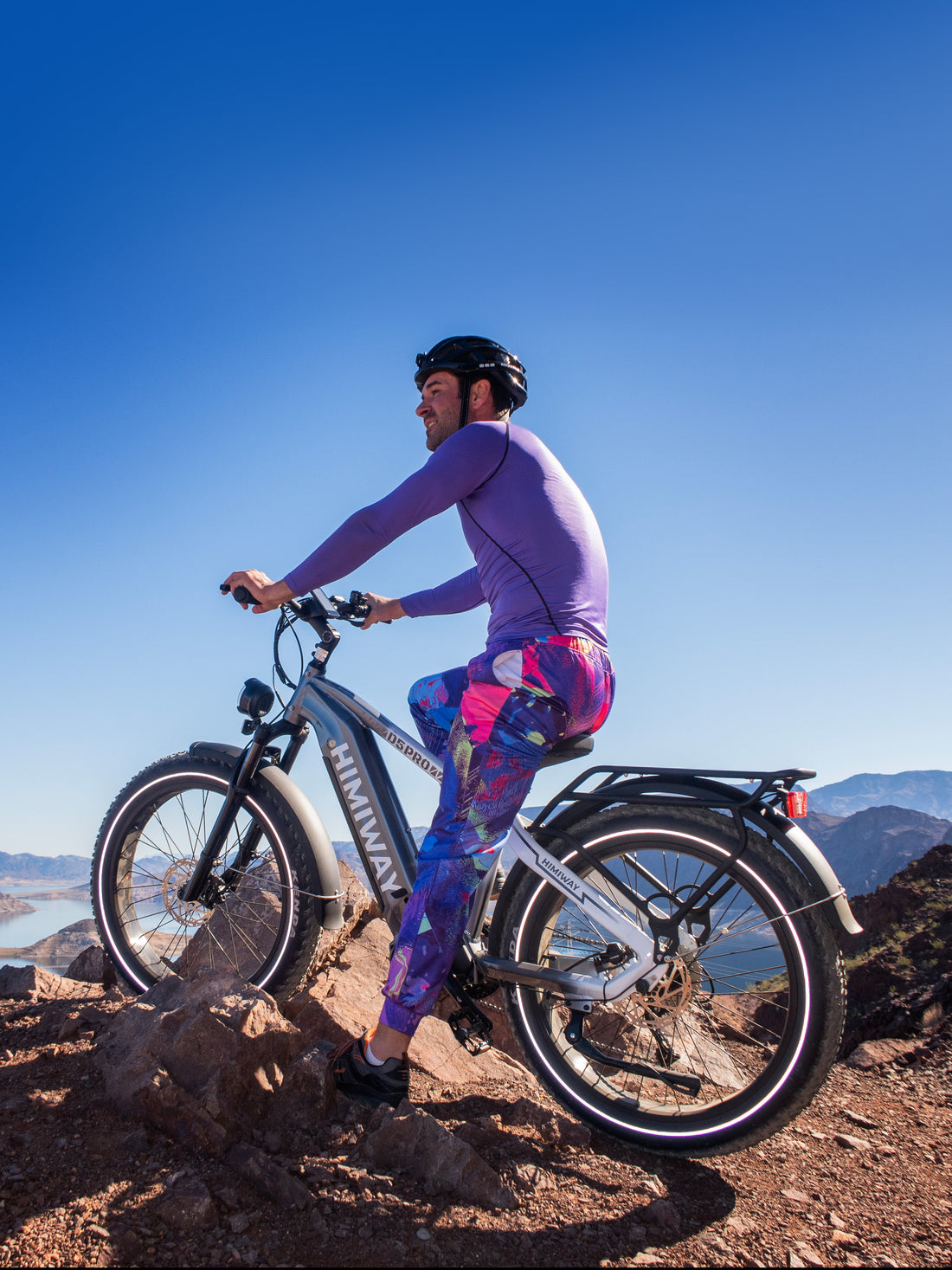
D5 Pro / All-terrain Electric Fat Bike
-
960 Wh
Samsung/LG Battery
-
80 Miles
Max Range
-
500 W
Mid-Drive Motor
-
20+ Mph
Top Speed

D5 Pro ST / All-terrain Electric Fat Bike
-
960 Wh
Samsung/LG Battery
-
80 Miles
Max Range
-
500 W
Mid-Drive Motor
-
20+ Mph
Top Speed


Himiway D5 2.0 Camo eBike
-
Full Suspension
Travel F:100mm R:130mm
-
Torque / Cadence
2 Riding Experiences
-
750W 90Nm
Geared Hub Motor
-
Smart Auto
5 Assist System

From cnet.com
Up For Whatever

From Forbes.com
I Like Big E-bikes And I Cannot Lie...

From msn.com
I found a hack to boost the speed...

From msn.com
Changed my mind about what an e-bike should be...

Himiway Zebra All Terrain Fat eBike Test & Review
 Electric Revolution

Himiway Zebra Step-Thru - Good For Seniors and More? - Review and Test Ride
 Russ Is Right

Himiway Cobra Ebike - Overview
 CitizenCycle

Himiway Escape Ebike Review~My first Fat Tire Moped Style Electric Bike!
 Jeremiah Mcintosh

Why The Himiway Zebra Is A Very "Solid" E-bike!!
 Monkey Wrench Mike
Frequently Asked Question
How does an electric mountain bike (eMTB) work?
Do you have to pedal an eMTB?
What are the benefits of a Fat Tire e-bike for mountain biking?
What's the difference between a Step-Thru and a Step-Over frame?
Frame geometry significantly impacts accessibility, comfort, and riding dynamics. Step-Over frames feature a high top tube connecting the seat tube to the head tube, creating a triangular structure that provides maximum stiffness and rigidity. This design is ideal for aggressive trail riding where frame rigidity translates to better power transfer and precise handling on technical terrain. Step-Over frames are typically chosen by riders who prioritize performance and don't mind swinging their leg over the saddle.
Step-Thru frames feature a low or absent top tube, creating an open, easy-mount design. This configuration offers several advantages: easier mounting and dismounting (especially when wearing a backpack or carrying gear), more comfortable for riders with limited flexibility or mobility concerns, safer for frequent stops on technical trails where you need to quickly put a foot down, and more confidence-inspiring for riders who are new to mountain biking. The D5 2.0 ST showcases how Step-Thru design doesn't sacrifice capability—it maintains the same full suspension system, 750W motor, and 400 lb payload capacity as its Step-Over siblings, proving that accessibility and performance can coexist. Both frame styles accommodate riders from 5'1" to 6'5" with 9.8 inches of seat adjustability, ensuring proper fit regardless of frame choice.
How far can I go on a single charge?
Range is the most variable aspect of electric mountain bike performance, influenced by numerous interconnected factors. Understanding realistic expectations helps you plan rides confidently without range anxiety.
Battery capacity forms the foundation—larger batteries provide longer range. Himiway's lineup spans from 720Wh batteries on the D5 2.0 series (65 miles maximum assisted range) to 960Wh batteries on the D5 Pro and Cobra models (80 miles maximum assisted range). However, these maximum figures assume optimal conditions—flat terrain, moderate temperatures, lighter rider, and eco assist mode.
Real-world factors dramatically affect range. Terrain elevation is the single biggest variable—a ride with 4,000 feet of climbing might use 60-70% more battery than a flat ride of the same distance. Rider weight matters significantly; a 200 lb rider carrying 40 lbs of gear will see 20-30% less range than a 150 lb rider. Temperature impacts battery chemistry; cold weather (below 40°F) can reduce range by 15-25%. Wind resistance, tire pressure, terrain surface (pavement vs. loose gravel), and even your pedaling cadence all contribute.
Pro tips for maximizing range: Use Eco mode on flat sections and climbs you can handle; switch to higher assist only for steep pitches. Maintain proper tire pressure—underinflated fat tires dramatically increase rolling resistance. Pedal with higher cadence (70-80 rpm) in easier gears rather than grinding in hard gears. Plan routes with charging opportunities if you're concerned. Learn your bike's range through shorter test rides before committing to longer adventures.
What's the difference between a Hub Motor and a Mid-Drive Motor?
Motor placement fundamentally affects how an electric mountain bike performs, feels, and handles across different terrain. Understanding these differences helps you choose the right power system for your riding style.
Hub Motors are located in the rear wheel hub and provide direct power to the wheel. The 750W hub motor found on models like the D5 Pro and Cobra delivers a characteristic "push" sensation—you feel the motor driving you forward from behind. Hub motors excel at: consistent power delivery regardless of gear selection, simpler maintenance with fewer drivetrain components under stress, more affordable manufacturing costs, and excellent performance on moderate to steep climbs. The 750W hub motor on the D5 Pro produces 90 N·m of torque, providing ample power for technical ascents while maintaining reliability.
Mid-Drive Motors are positioned at the bike's bottom bracket (pedal area) and power the drivetrain directly through the bike's gears. The 1000W mid-drive motor on the Cobra Pro represents the pinnacle of this technology, leveraging the bike's gear system for optimal efficiency. Mid-drive advantages include: superior climbing performance on extremely steep grades, more natural ride feel that mimics traditional pedaling, better weight distribution with motor centrally located, and maximum efficiency by utilizing the bike's gears.
For most riders, the 750W hub motors on Himiway's D5 2.0 series and D7 Cobra provide the perfect balance of power, reliability, and value. However, if you're tackling the most technical mountain terrain with sustained 15-20% grades or need ultimate climbing performance for hunting in extreme backcountry, the Cobra Pro's mid-drive system offers unmatched capability.
What is a torque sensor and why does it matter for mountain biking?
Torque sensors represent premium electric bike technology that dramatically enhances the riding experience, especially on technical trails. Unlike basic cadence sensors that simply detect pedal rotation, torque sensors measure the actual force you apply to the pedals. This intelligent system analyzes how hard you're pushing and provides proportional motor assistance—pedal gently and receive subtle support; push hard on a climb and get substantial power amplification.
The benefits for mountain biking are transformative: Intuitive control on technical terrain where precise power modulation prevents wheel spin on loose surfaces; Smooth power delivery that feels like a natural extension of your own strength rather than an on/off switch; Better battery efficiency since the motor only provides the assistance you actually need; Enhanced climbing technique where you maintain your rhythm and line choice while the motor multiplies your effort; and More engaging riding experience that rewards your input rather than replacing it.
Himiway's premium models feature advanced torque sensing technology. The D5 2.0 series includes intelligent Torque/Cadence Switching, allowing you to toggle between torque mode (natural, responsive feel) and cadence mode (easier cruising with less effort). The D7 models and D5 Pro series feature dedicated torque sensors for that premium, connected riding feel that serious mountain bikers demand. For riders new to eMTBs, this technology makes the learning curve much gentler while providing room to grow your skills.
Can I use an electric mountain bike year-round in different weather conditions?
Year-round riding is not only possible but one of the greatest advantages of electric mountain bikes equipped for all-terrain use. However, understanding seasonal considerations optimizes performance and longevity.
Winter riding capabilities: Electric mountain bikes excel in winter conditions where traditional bikes struggle. Fat tires on Himiway models provide exceptional snow traction—the 26"×4.0" tires on the D5 2.0 and D5 Pro float over snow rather than sinking, while the massive 26"×4.8" tires on the Cobra Pro handle even deeper conditions. Motor assistance overcomes the increased rolling resistance of snow and slush, making winter trails accessible when they'd be exhausting on traditional bikes. Full suspension systems on these models provide control on icy, unpredictable surfaces where maintaining traction is critical.
Winter challenges and solutions: Cold temperatures reduce battery performance by 15-30% as discussed earlier—plan shorter rides or accept reduced assist levels. Store batteries indoors at room temperature until immediately before riding. Post-ride cleaning becomes crucial as road salt and de-icing chemicals corrode components rapidly—rinse your bike after every ride in treated conditions and apply frame protectant. Hydraulic brake fluid can thicken in extreme cold, reducing initial bite until warmed through use—test brakes in safe areas before committing to steep descents. Tire pressure adjustments help—lower pressure (8-10 PSI) for deep snow increases flotation, while slightly higher pressure improves ice traction through reduced contact patch deformation.
Summer and hot weather riding: High temperatures create different challenges. Battery heat management becomes important—avoid leaving bikes in direct sunlight or hot vehicles. The removable batteries on all Himiway models let you store them indoors while the bike sits in a garage or truck bed. Charge batteries in cooler environments and allow hot batteries to cool before charging to prevent thermal stress. Dry, dusty conditions require more frequent drivetrain cleaning to prevent abrasive wear. Ensure brake pads have sufficient material since heat builds up faster on long descents with eMTB weight.
Rain and wet conditions: All Himiway electric mountain bikes feature weather-resistant electrical systems designed for wet riding. However, water resistance doesn't mean waterproof—avoid pressure washing, deep water crossings that submerge the motor, or direct spray into electrical connectors. Wet conditions accelerate brake pad wear and reduce stopping power initially—test brakes before challenging descents. Wet roots and rocks become significantly more slippery—reduce speed and brake earlier than in dry conditions. The Maxxis tires on the D5 2.0 and CST tires on the Cobra Pro feature tread patterns that shed mud effectively, but even the best tires have limits on slick surfaces.
Seasonal maintenance adjustments: Transition between seasons with appropriate service. Before winter, apply protective coatings to frame and components, switch to wet-weather lubricants, and check that all seals are intact. Before summer, clean salt and corrosion thoroughly, inspect brake pads and rotors for winter wear, and verify battery health. Year-round riding requires more frequent maintenance intervals, but the investment keeps your bike performing reliably while others sit in storage. The robust construction and quality components on Himiway bikes withstand seasonal stresses that would sideline lesser machines.
Do you need a license to ride an e-bike?
Bikes for Every Ride


Ready for a Free Test Ride?
Looking for a hands-on experience?
Find an authorized Himiway dealer near you to see our bikes in person and schedule a test ride today.